
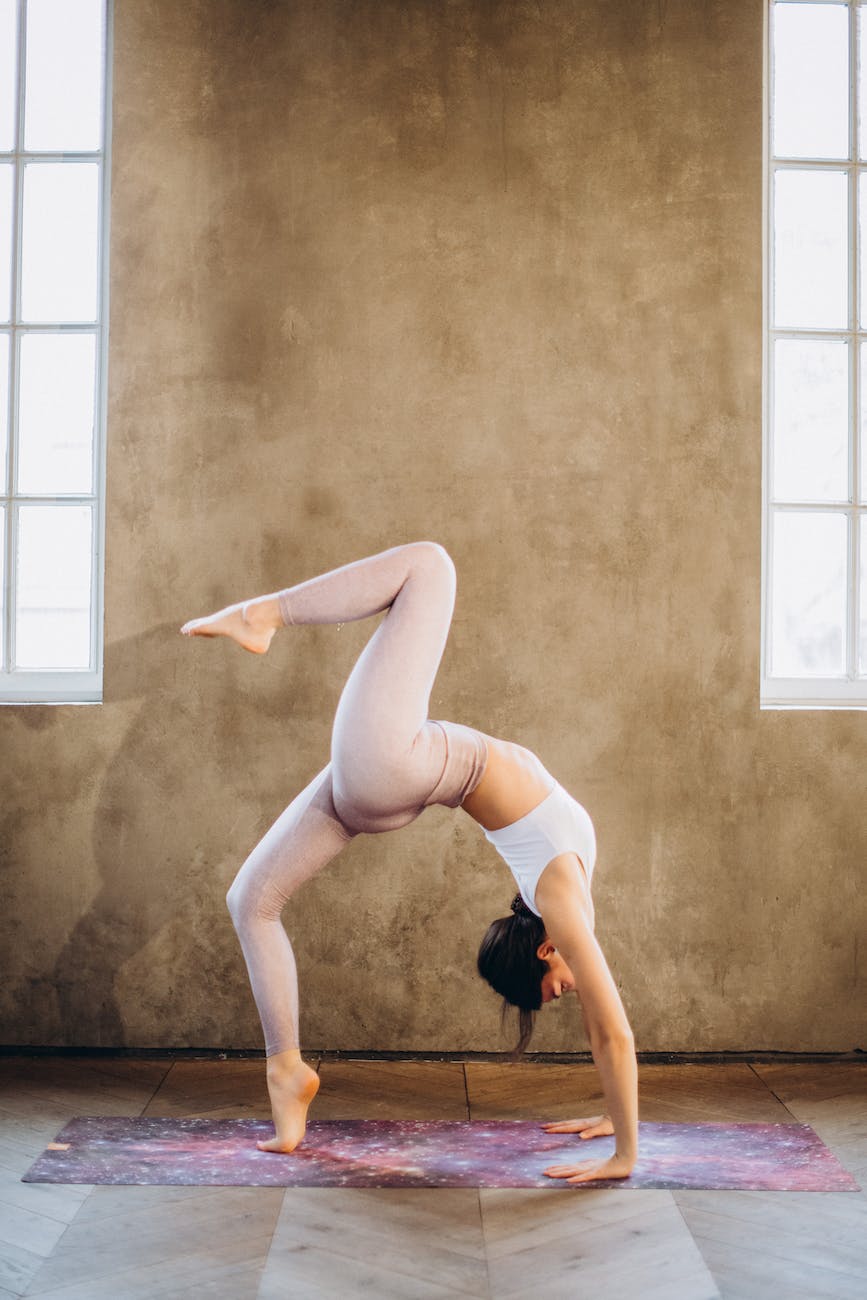
The word asana means ‘seat’. Any posture that you find yourself in, is essentially an asana. When we talk about asanas in the yogic terms, we usually talk about yogasanas, which are a series of 84 special postures.
Asanas are what most people associate with yoga. It is the physical postures. The benefits of doing these postures are innumerable, but you may not know why they were created in the first place. As seekers of truth were trying to go deep in meditation, they met some challenges along the way. One of those challenges were their bodies aching, cramping and itching, as they were trying to sit still in meditation. To make sure their bodies did not distract them, they had to make them strong, flexible and healthy. And so the asanas were created.
The Pawanmuktasana series
The Pawanmuktasanas series is one of the most important groups of practices that has a very profound effect on the human body- and mind, and is thus a most useful tool for the yogic management of various disorders and maintenance of health. It is one of the special contributions of the teachings of Swami Satyananda Saraswati. It is essential for laying a firm foundation for the perfection of yogic asanas.

Pawanmuktasana Part I
For joints

Pawanmuktasana Part II
For digestion
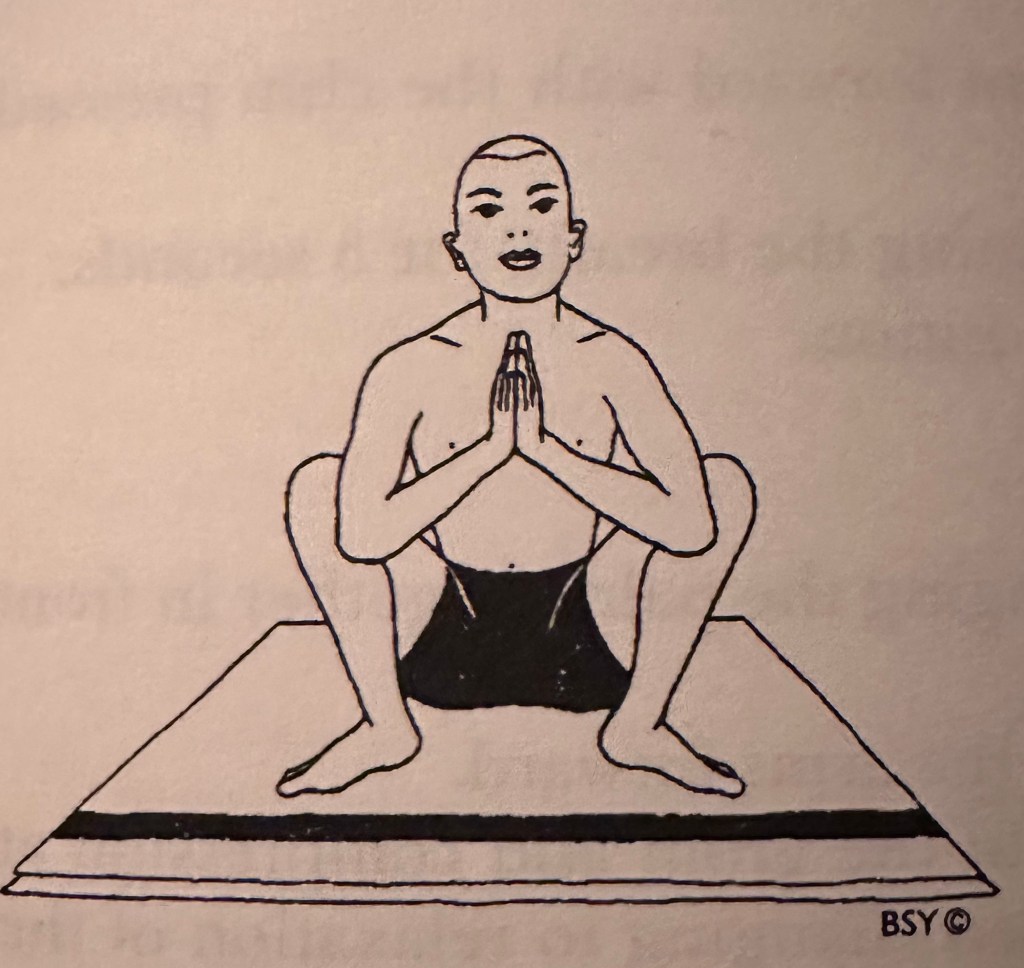
Pawanmuktasana Part III
For energy flow
Surya Namaskara
Chandra Namaskara
Surya Kriya
The Surya Namaskara Series
Surya means ‘sun’ and namaskara means ‘salutations’. The english, more common term is therefor Sun Salutation. It is a series of postures that has been handed down by the enlightened sages of the vedic age. The sun symbolises spiritual consciousness and in ancient times was worshipped on a daily basis.
In yoga, the sun is represented by Pingala, or Surya Nadi, the pranic channel which carries the vital, life- giving force.
Getting into sitting posture
When I give instructions to prepare for meditation in my classes, most of my students will get into a crosslegged position. Shortly after, they will make some adjustments, trying to take away the increasing discomfort in hips and back. Within five minutes most of them will be either terribly distracted by their tens muscles, or they would have laid down.
Meditation simply cannot happen if your body is distracting you with aches and cramps. Becoming flexible enough is therefor essential if you want to sit and meditate. You may wonder why sit in meditation instead of laying down in shavasana? There is a great tendency of falling asleep while laying down. Also, due to the gravitational forces of the moon, there is a natural upsurge of energies during full- and new moon. To benefit from this, the spine needs to be erect.
Here are a few practices you can do to improve your flexibility to become more comfortable in a crosslegged position.
For thight hips
Asanas to improve flexibility in hips.
For hamstrings and back
Asanas to improve flexibility in hamstrings.
variation of crossed legged asanas.
There are a few variations, and some are recommended for men and others for women.
 Darsh Yoga