
Within the 8 limbs of yoga, the first limb is called Yamas which means ‘control’ and represent a series of ethical guidelines. There are five yamas, where the first is called Ahimsa.
Ahimsa means non-violence or non-harm and should be applied to every living being, including oneself. It may be harming thoughts, behaviour or how we speak. Sometimes we cause harm indirectly, which is why many yogis become vegetarian or vegan. Some of the things we buy may often cause harm to the planet as well, so buying local and organic food is also a way of practicing Ahimsa.
As we reflect over our own behaviour, we may become aware of the fact that we are the cause of harm or violence to some degree. With this awareness you can react with guilt and shame, which is just another way of causing harm, or you can respond with compassion and forgiveness and choose to move forward in that direction.
As a yoga teacher I see a lot of people who try to push their bodies into postures that their body simply isn’t ready for. This is a way of causing harm too, but its not the only way people harm their bodies while practicing asanas. When your mind wanders your awareness of your body fades and so you don’t even notice that you’re harming yourself. Awareness is key!
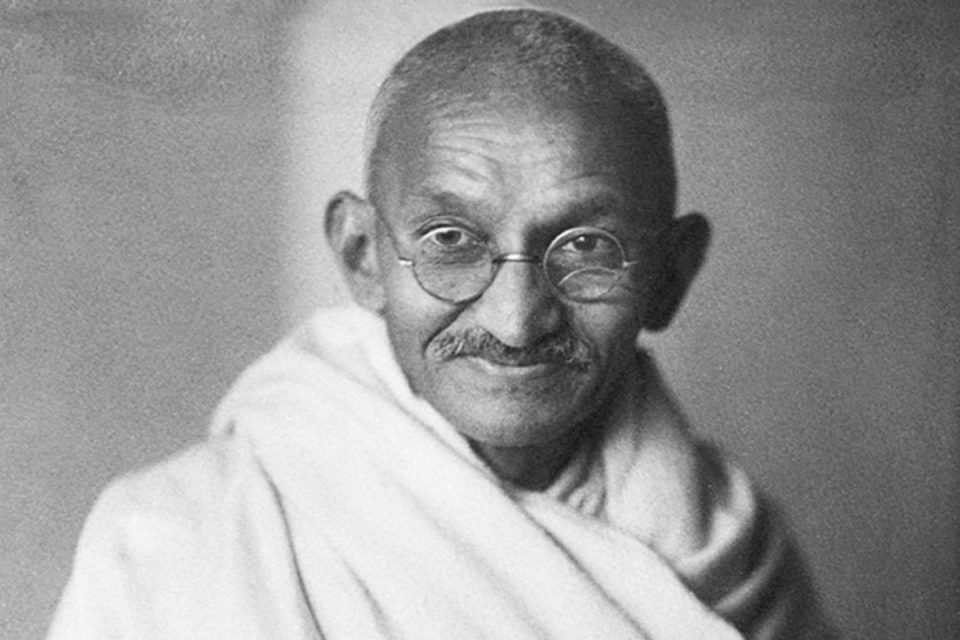
Mahatma Gandhi was a great yogi who was and is still known for his devotion to Ahimsa. He said, “Truth is my religion and ahimsa is the only way of its realisation”.
In the second book of the Yoga Sutras, sutra nr. 34 says:
“When negative thoughts or acts such as violence, etc. are done, caused to be done or even approved of- whether incited by greed, anger or infatuation- whether indulged in with mild, medium or extreme intensity, they are based on ignorance and bring certain pain. Reflecting upon this is also pratipaksas bhavana.“
In the second book of the Yoga Sutras, sutra nr. 35 says:
“In the presence of one firmly established in nonviolence, all hostilities cease”

 Darsh Yoga