Dry Brushing – Ayurvedic Practice

Dry brushing is just what it sounds like- brushing your skin with a dry brush on dry skin. By doing this you scrape the dead skin cells off the top layer of your skin. This is done before you shower. The practice promotes detoxification and stimulates your lymphatic system.

Did you know that your skin is your larges organ? One third of our body’s toxins are excreted through the skin, so it is important to take good care of it. If your skin is covered with dead follicles, it can’t breath and detoxify which will cause inflammation and toxicity in the body. With daily dry brushing you can increase blood flow, boost circulation, reduce appearance of cellulite, remove dead skin cells and help your remaining cells and your body remove waste.

The lymphatic system is like a sewer system which collects, transports and eliminates the waste from our cells. It’s job is very important and dry brushing is extremely cleansing for the system which makes it function a lot better and preventing toxic accumulation.

Dry brushing should be practiced daily before shower, both as a preventative measure to keep your lymphatic system in good health, and as a treatment for when you feel like your toxins have already accumulated. It only takes about five minutes to do, and the benefits are many!

How to dry brush

1 Begin with your arms, with gentle strokes upward towards your heart in long and slow motions.

2 Move to your chest and stomach, again moving towards the heart.

3 Move towards your back. Many people accumulate dead skin cells on their lower back, so this might be an area to focus on. Always brushing towards your heart.

4 Finish your brushing from your feet and up.

Once you’re done, take a bath or a shower and then follow up with Abhyanga practice

You can also dry brush your face, but then by using a separate softer brush, so you avoid bringing toxins from your body to your face.

Wash your brush once a week in a cup of warm water with 3 drops of tea tree oil, then lay the brush bristles down on a towel to dry.

Abhyanga – Ayurvedic Practice

Abhyanga is an Ayurvedic practice of massaging yourself with oil. Ayurveda states that you should not put anything on your body that you wouldn’t eat, so using natural and organic oils suitable for your Dosha(body-type) 

Benefits

Abhyanga has many benefits, including toning your muscles, enhancing detoxification, softening your skin, calming your nervous system, releasing fatigue, aiding your sleep, improving elimination, lubricates your joints, increases circulation and hydrates you from within. 

Tha Charaka Samhita states, “The body of one who uses oil massage regularly does not become affected much even if subjected to accidental injuries, or strenuous work. By using oil massage daily, a person is endowed with pleasant touch, trimmed body parts and becomes strong, charming and least affected by old age.” 

How to practice

Its an intuitive practice, similar to applying lotion, but more deliberate. The sanskrit word for oil is sneba, which also means ‘love’. When oiling your body, do it in a loving matter and be grateful of your body and all it offers you. 

The touch of the massage depends on how you feel and your Dosha. If you feel heavy and lathargic then use firm and vigorous strokes to stimulate your body and get your muscles loosened. If you’re stressed and tight, practice slower movements. It’s about creating balance. 

1) Make sure the oil is warm before you put it on your skin. Either fill a glass bottle with oil and submerge it in a pot of hot water on the stove or if you don’t have the time you can put a little oil in your hand and rub them until it gets warm before you start massaging your body. 

2) Start by rubbing the oil into your arms and pay extra attention to dry spots such as elbows and wrists. 

3) Next rub your abdomen in counterclockwise circular motion. This is the direction of your colon and the movement aids your digestion and elimination. Go up your right side and down your left side. 

4) Bring the oil up to your chest in long slow strokes towards your heart. This will help you connect with your heart chakra and emotions. 

5) Start massaging your neck and back. The back is a hard place to reach, but try your best. 

6) Then move to your bottocks and down your legs, ending with your feet. 

When you’re done put on some socks to retain the oil and some easy clothes that you’re ok with getting some oil residue on. 

Depending on your bodytype and season you should do this at least two to five times a week. 

For a Vata body, you should do it at least five times a week, maybe seven during the cold and dry season. Sesame oil is recommended. 

for Pittas, three times a week with coconut oil, maybe less during the hot and humid months. 

For Kaphas, practice at least two times a week while paying extra attention to dry spots and by adding stimulating herbs to your oil. Sesame, almond and olive oils are good choices. 

Once a week you should also oil your scalp as it enhances hair growth and calms the mind. If you have long hair you can braid it and sleep with it overnight with towel over you pillow to protect it from the oil. 

Why Some Yogis Wear White Clothes

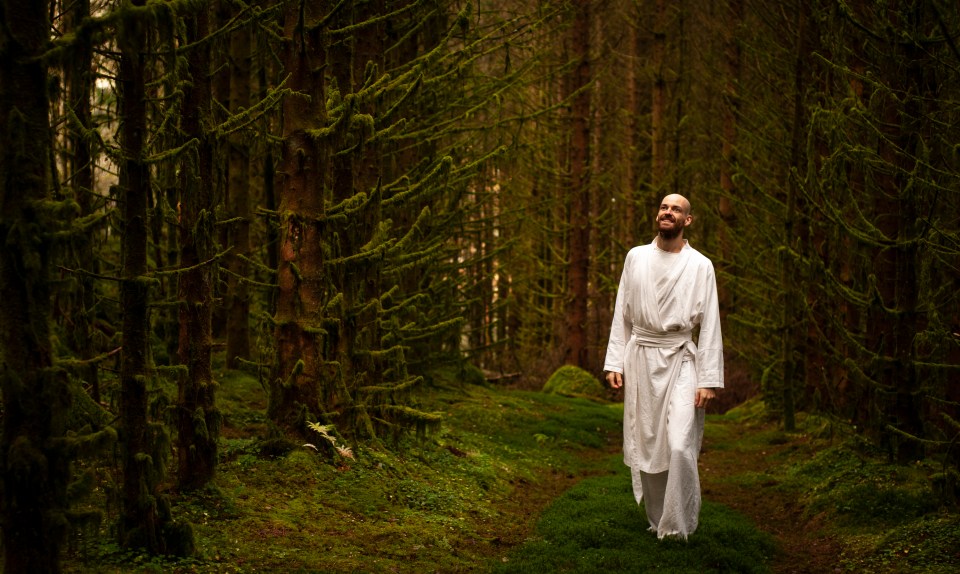
Maybe you’ve noticed that some yogis wear a lot of white clothes, and there is a good reason why. Yoga is about raising your consciousness, which means you become more receptive and aware of things that you didn’t notice before. More and more of what- and how you do things become a conscious act, instead of a compulsive one. There is a change where your yoga- practice shifts from being something you do on the mat, to the very way you live your life. The things we do, we do it because we want to function at the best possible way. For instance, if your concern is only about surviving, then you can eat just about anything, but if you want to function the best possible way, you will eat only what is best for you. For a yogi, this is essential, because you want to live a full-fledged life!

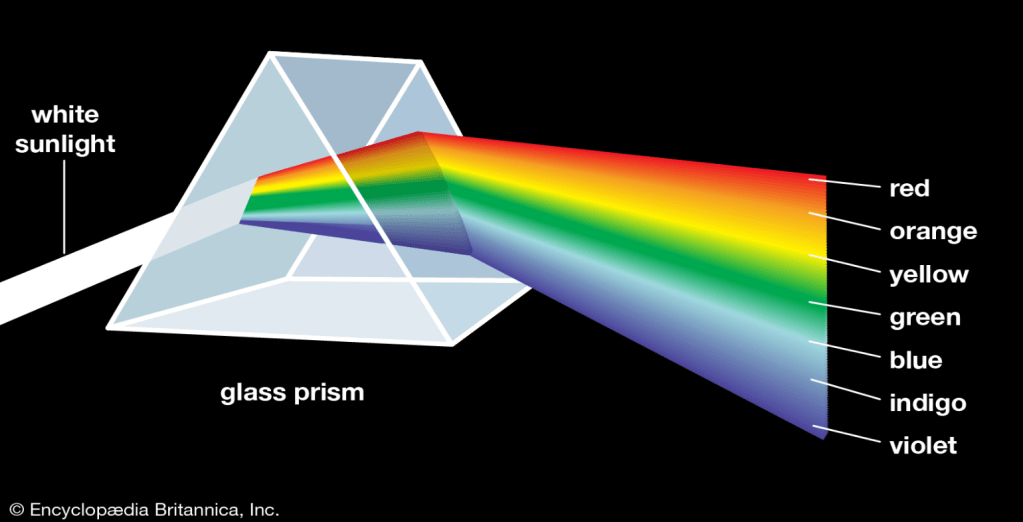
So why does it matter what colours the clothes are? As you may already know, white light contains the whole spectrum of colours. If you use a prism, you can split a beam of light into the colours of the rainbow.(see illustration) Every colour has its own wavelength, and depending on the surface it hits, some of the wavelengths are absorbed, while others are reflected. So when you look at a red rose, the only reason why we perceive it as red, is because it absorbs everything but the colour red. Red is reflected, and so that is why it looks red. So when something looks white, it means it reflects all light. Same goes for energies. For a yogi its important to have integrity in your own energy. You don’t want your energies to be disturbed by your surroundings. So for yogis who want to live a relatively normal life within society, they use white clothes as a way of protecting the integrity of their energy. We don’t want to absorb everyones energies, so we’re very careful about wearing black for instance, which absorb everything and reflects nothing.

With that said, please do not take my word for it. Experiment for yourself and see.

Yama & Niyama

The first two limbs of the ‘8 Limbs of Yoga’ are Yama and Niyama. They are both five guidelines to how to live well. Once you learn them you’ll realise that in many ways you already practice Yoga. The Yamas and Niyamas are the first of the 8 limbs because it will be foundation of your practice. The more you are able to commit to these guidelines, the easier the rest of your practice become. I’ve never met anyone who disagree with these guidelines, because its essentially all about coming back to our true nature.

First the Yamas:
Ahimsa – Non-violence or non-harming
Satya – Truthfulness
Asteya – Non-Stealing
Brahmacharya – Right use of Energy
Aparigraha – Non-Greed or non-hoarding

Although it seems pretty straight forward when you look at it like this, it goes much deeper than you might think. For example, when you look at Ahimsa – non-violence or non-harming, most people will think about the direct action of being violent or harm someone. What about the way you think, eat, drink, say and how you move your own body. There is the direct harm we cause, and there is the indirect harm. For instance, how was the clothes you last bought produced? Or how was the food you last ate produced? Did it cause harm to the planet or workers?

Don’t worry, we’re not perfect, and these guidelines are not here to put us to shame or fill us with guilt. In fact, if we let that happen, we put harm to ourselves(!) So, relax and use these guidelines to enhance your awareness and change your behaviour towards wellness.

You may wonder why this is important for a yogic practice. So, yoga means union and it means breaking the illusion of separation between subject and object. Experiencing life as one. Albert Einstein understood what yogis have known for millennia’s. All energy is the same energy, yet we experience life in the dimensions of inner and outer world. Yoga is about not only seeing, but experiencing the outer and inner world as one and the same. The behaviour that the yamas are guiding us away from are behaviour that enhance the experience of separation. For instance, had we experienced everyone as the same as us we would not harm them in any way. We wouldn’t lie, we wouldn’t steal, hoard or spend our energy trying to fill a void(as we would already feel complete). So by practicing the yamas, we are synchronising our lives with the truth.

The Niyamas are:
Saucha – Cleanliness
Santosha – Contentment
Tapas – Discipline
Savdhyaya – Study of the self
Isvara Pranidhana – Surrender to a higher being or higher power

As the yamas are more directed at how we interact with the outer world, the niyamas are more focused on the self. You may also notice the yamas are about what not to do and the niyamas are more what to do.

As you practice these more, you’ll notice how the rest of your yoga practice will enhance greatly. In hatha yoga we strive to become balanced, and by practicing the yamas and niyamas we live a life that do not cause inner conflicts, delusion and attachments, so your life become more harmonious and balanced.

Niyamas – Isvara Pranidhana

In the second book of the Yoga Sutras, sutra no. 45 it says:

“By total surrender to God, Samadhi is attained”

Isvarapranidhana is a lifelong dedication to sacrificing everything to God, or humanity. God does not sit in a place waiting for our sacrifices and gifts, but by dedicating our lives to human benefit, we dedicate our lives to God. Whatever we do can easily be transformed into worship of our attitude. By always having an intention that what we do is the best for everyone and the whole. If we present a chair to someone, we can do it in a way where the chair is dragged across the floor and ‘screams’. We can also lift it carefully and put it in place. Everything that is treated roughly experiences pain. It should therefore be a gentle, ‘yogic’ touch to everything we do. With this presence and intention, our smallest actions will become a way to dedicate ourselves to God. In this way, everything we do can become a form of practicing Isvarapranidhana. We can see here that spirituality is not so much about what we do, but how and why we do it.

Can you give up everything you own? Give everything to God? This does not necessarily mean that you get rid of it, but that you no longer hold on to them and have a kind of mental connection to them. We let go of all our connections and leave them to God. This does not mean that we should not have wishes, desires or attachments, but they should not be linked to us as individuals, but to life as a whole. Many people say that inner peace comes only when you get rid of ‘all desires’. That is, to get rid of all desires, but this can easily be misunderstood. The only way to get rid of all desires is to die. Wishes are a natural part of life, and all life desires. What is meant by getting rid of all desires is to get rid of selfish desires, desires with the intention of satisfying the individual. The shift here is largely about making the desires conscious and not letting them be compulsive desires, as a product of the mind and karma we carry.